World Day for Safety and Health at Work: Why Safety in the Workplace Is Essential
Every year, businesses around the world come together to recognise World Day for Safety and Health at Work, a global initiative focused on preventing workplace accidents and promoting safer working environments.
For employers, this day serves as a reminder of the importance of maintaining strong health and safety practices and ensuring employees are properly trained to manage workplace risks.
In this guide, we explain what World Day for Safety and Health at Work is, why it matters, and how businesses can use it to improve workplace safety.
What Is World Day for Safety and Health at Work?
World Day for Safety and Health at Work is observed each year on 28 April and is led by the International Labour Organization.
The aim of this global awareness day is to:
- promote the prevention of workplace accidents
- raise awareness of occupational health risks
- encourage organisations to improve safety standards
It also provides an opportunity for employers to review their current safety practices and identify areas for improvement.
Why Workplace Safety Is Important
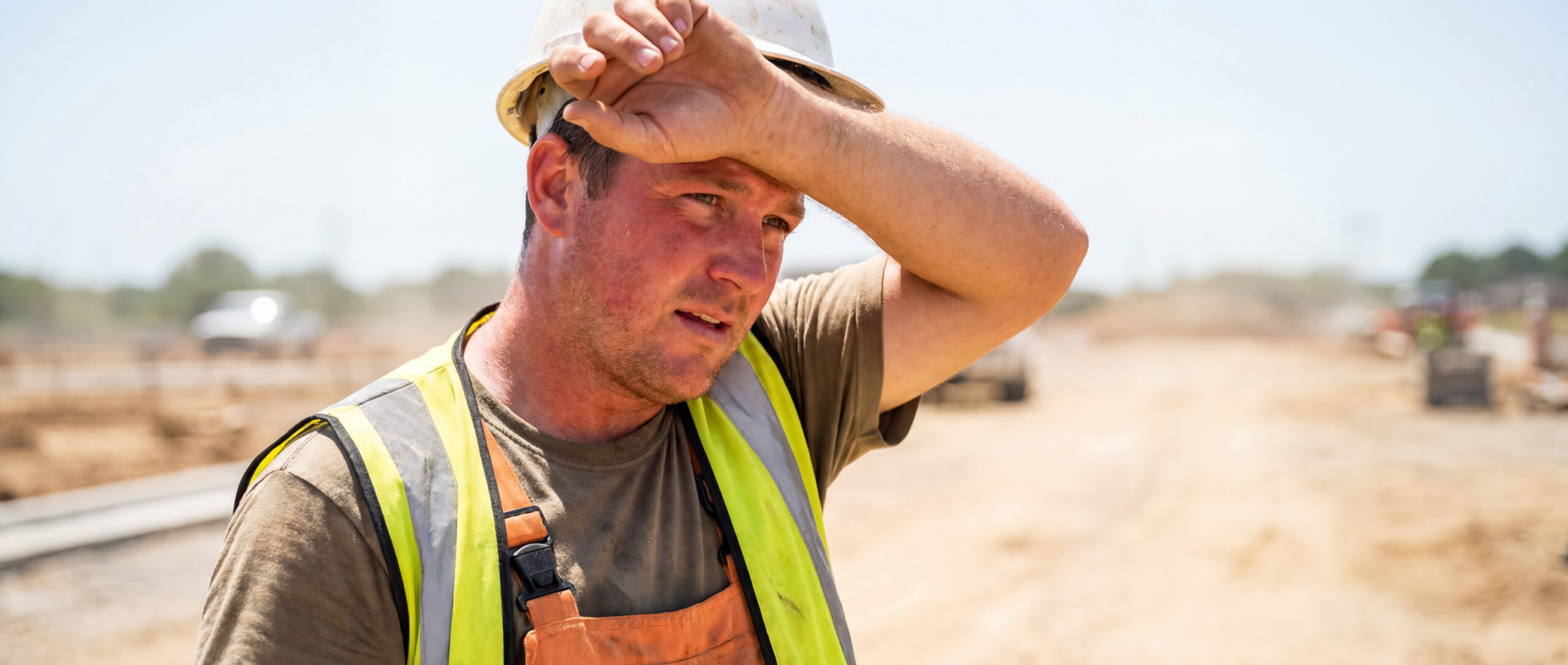
Workplace safety is essential for protecting employees, reducing risks, and maintaining business operations. Accidents and injuries can have serious consequences, not only for individuals but also for organisations.
By prioritising health and safety, businesses can:
- reduce workplace accidents and injuries
- improve employee wellbeing and morale
- increase productivity
- demonstrate compliance with UK legislation
Creating a safe working environment benefits both employees and employers.
Need Health and Safety Courses?
Providing the right health and safety training is essential for protecting employees, reducing workplace risks, and meeting legal requirements. Our online courses help businesses train staff effectively and create safer working environments.
Employer Responsibilities Under UK Law
In the UK, employers have a legal duty to protect the health, safety, and welfare of their employees under the Health and Safety at Work etc. Act 1974.
This includes:
- providing appropriate health and safety training
- carrying out workplace risk assessments
- identifying and managing hazards
- ensuring employees understand how to work safely
Employers must also follow the Management of Health and Safety at Work Regulations 1999, which require training to be provided when employees start work or when risks change.
Providing proper training helps businesses meet these legal requirements and reduce workplace risks.
Common Workplace Hazards
Many workplaces face risks that must be managed effectively to ensure safety.
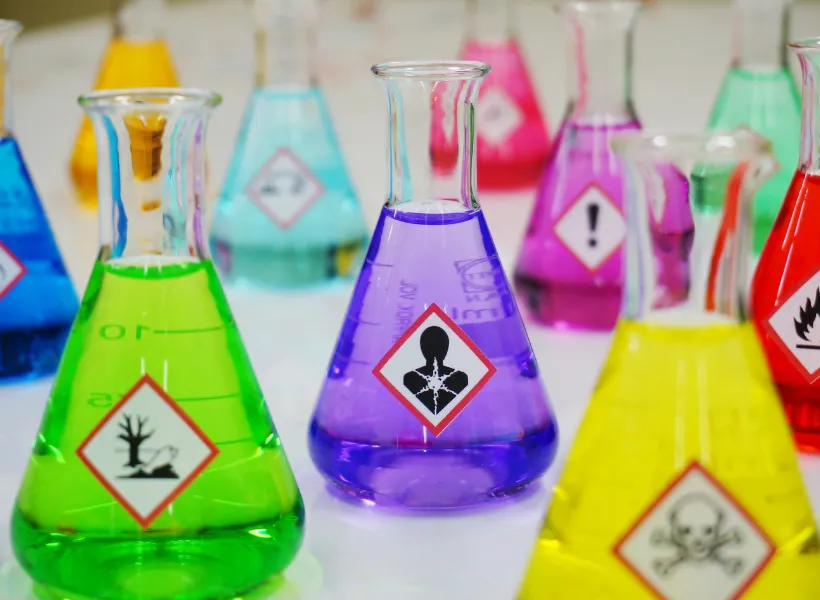
Some of the most common hazards include:
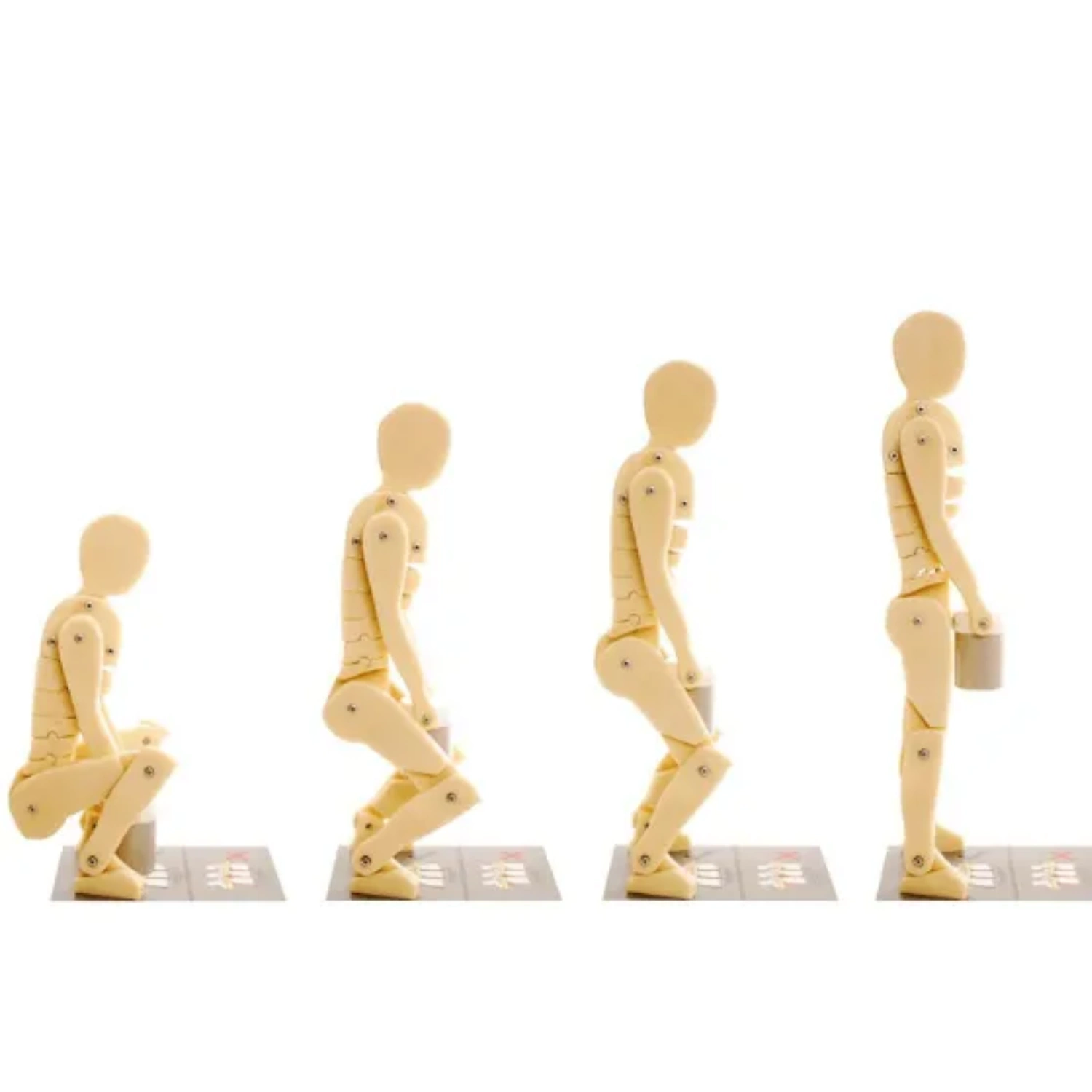
- Manual handling injuries
- Slips, trips, and falls
- Working at height risks
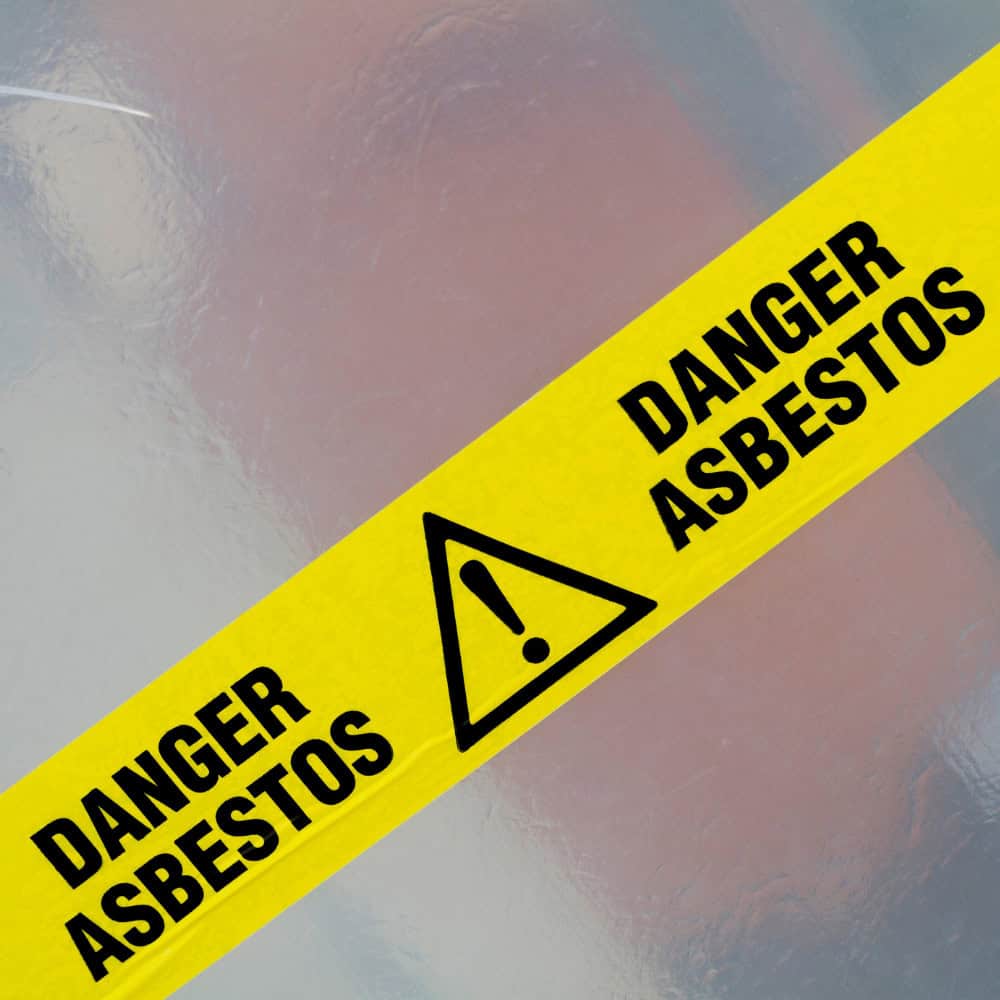
- Exposure to hazardous substances (COSHH)
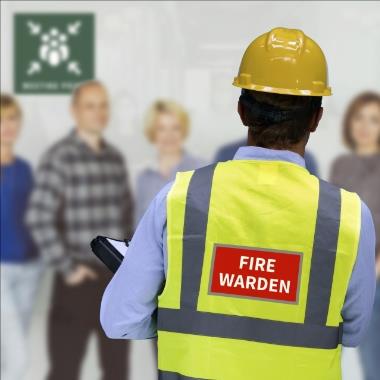
- Fire safety hazards
Identifying and managing these risks is key to preventing workplace incidents..
How Businesses Can Get Involved
World Day for Safety and Health at Work is a great opportunity for organisations to strengthen their safety practices.
Review Risk Assessments
Employers should regularly review workplace risk assessments to ensure hazards are identified and controlled.
Raise Awareness Among Employees
Encouraging employees to think about safety and report hazards can help improve workplace safety culture.
Provide Health and Safety Training
Training is one of the most effective ways to reduce workplace risks and ensure employees understand how to work safely.
Building a Strong Safety Culture
A strong safety culture means that safety is a priority at every level of the organisation. Employees understand their responsibilities and feel confident in following safety procedures.
Leaders play an important role in setting expectations and encouraging safe behaviour. When safety becomes part of everyday working practices, organisations can significantly reduce workplace risks.
World Day for Safety and Health at Work is a valuable reminder that workplace safety requires ongoing commitment and continuous improvement.