Workplace

You are here:
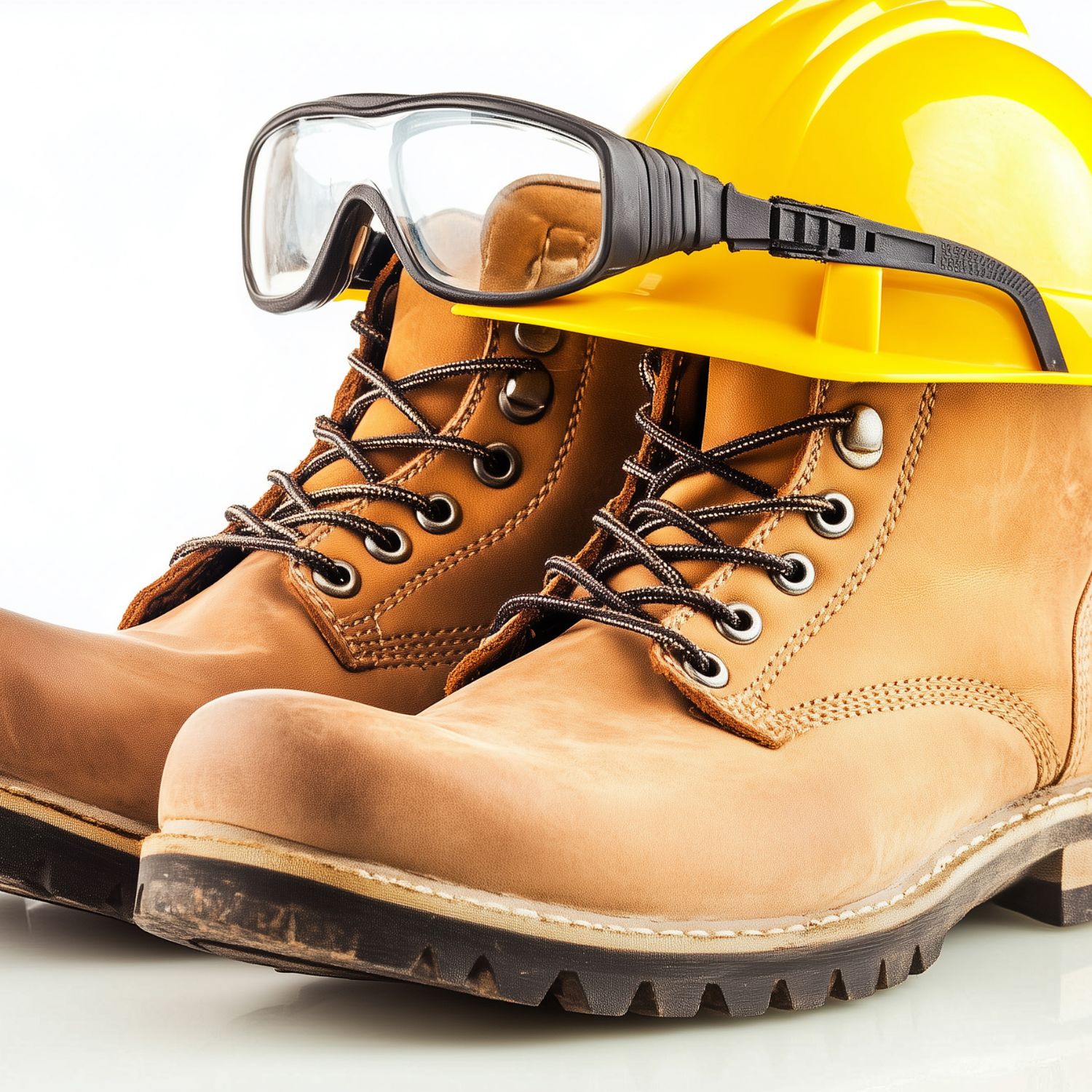
Safety boots, helmet, and goggles for work equipment training.
PPE in the Workplace: What Employers and Employees Need to Know

Personal Protective Equipment (PPE): Employer and Employee Responsibilities From safety footwear and hard hats to gloves and eye protection, personal protective equipment (PPE) is used across many workplaces to help protect people from risks that cannot be adequately controlled in other ways. However, simply handing an employee a pair of gloves or a hard hat…

Read article

Person with a bandaged hand signing documents at a desk.
What Is RIDDOR Training and When Is an Accident RIDDOR Reportable?

What Is RIDDOR Training and When Does an Accident Need to Be Reported Under RIDDOR? When an accident happens at work, employers need to know what to do next. The incident may need to be recorded and investigated, but there is another important question to consider: Does the accident need to be reported under RIDDOR?…

Read article
Construction safety icons with safety first message and protective gear.
What Are the Most Common Construction Site Accidents?

The Most Common Construction Site Accidents Construction remains one of the highest-risk industries in the UK. Despite improvements in workplace safety, accidents continue to occur on construction sites every year, resulting in injuries, lost working time, and in some cases, fatalities. Many construction site accidents are preventable. By understanding the most common hazards and ensuring…

Read article
Tangled electrical cables and overloaded power strips under an office desk, highlighting potential workplace fire hazards.
What Are the Most Common Causes of Workplace Fires?

What Are the Most Common Causes of Workplace Fires? Workplace fires can put lives at risk, damage premises and interrupt business operations. Although the hazards vary between offices, warehouses, workshops, hospitality venues and care settings, many fires involve familiar ignition sources, combustible materials or unsafe working practices. Understanding the main causes helps employers identify hazards,…

Read article
Happy woman relaxing at her desk in a bright office environment.
How to Improve Workplace Wellbeing: A Practical Guide for Employers

A Practical Employer’s Guide to Improving Workplace Wellbeing Employee wellbeing has become an essential part of creating a safe, healthy and productive workplace. Organisations that prioritise wellbeing often benefit from happier employees, improved morale, higher productivity and lower levels of absenteeism. Workplace wellbeing isn’t just about preventing illness, it involves creating an environment where employees…

Read article
Man stressed at work with crumpled papers and laptop on desk.
Drug and Alcohol Awareness in the Workplace: Protecting Employee Health and Safety

Creating Safer Workplaces Through Drug and Alcohol Awareness Creating a safe and healthy workplace goes beyond managing physical hazards. Employers also have a responsibility to consider factors that may affect employee wellbeing, judgement and workplace safety including the misuse of drugs and alcohol. Each year, Alcohol Awareness Week encourages individuals, communities, and organisations to think…

Read article
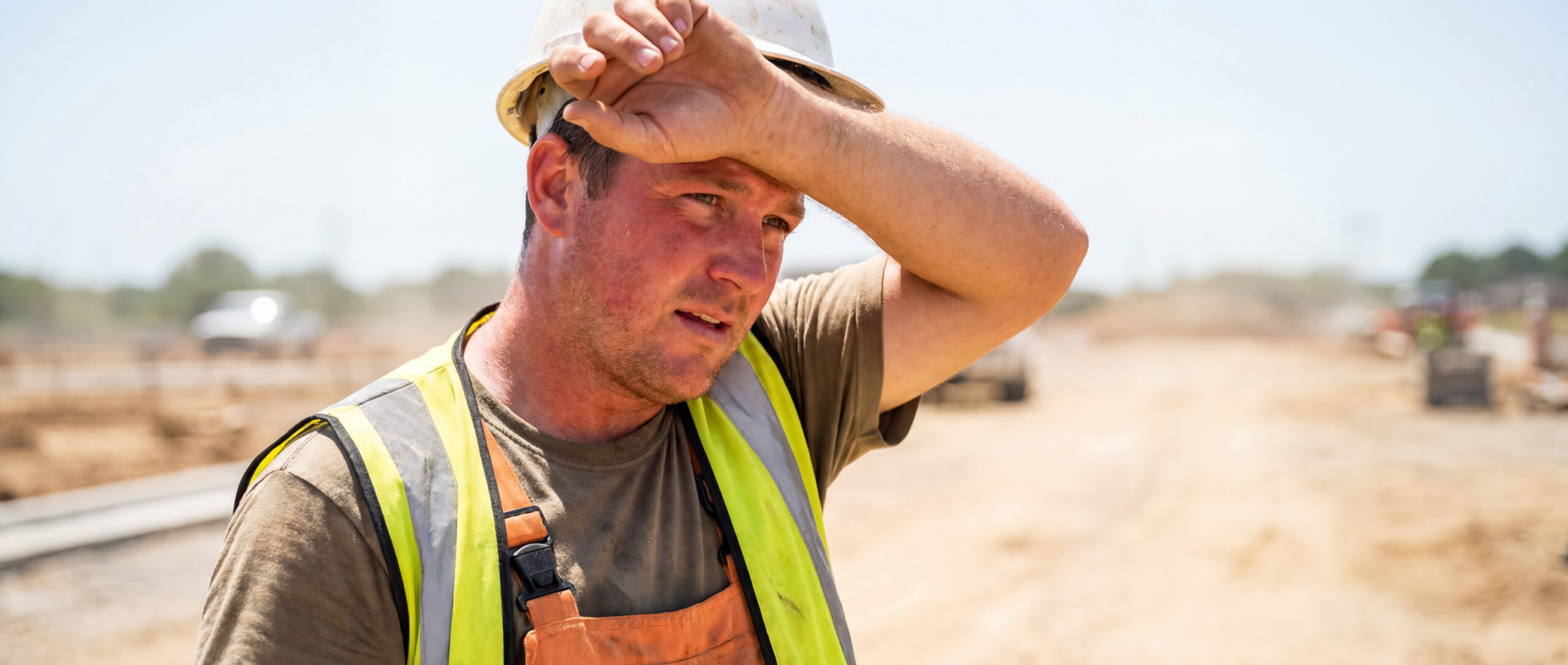
Construction worker shielding eyes from the sun in hot weather.
Working in Hot Weather: Legal Requirements, Guidance and Tips for Employers

Hot Weather Safety at Work: Employer Responsibilities, Best Practices, and Compliance Requirements Hot weather can present significant challenges for both employers and employees. While warmer temperatures are often welcomed, excessive heat can affect concentration, productivity, and, more importantly, employee health and safety. Whether employees work outdoors in construction, landscaping, agriculture, and utilities, or indoors in…

Read article
Overwhelmed man at work surrounded by colleagues with clocks and charts.
Stress Management in the Workplace: A Guide for Employers

Managing Workplace Stress: An Employer’s Guide Workplace stress is a growing concern for many organisations. Tight deadlines, heavy workloads, and challenging working environments can all contribute to increased stress levels among employees. When stress is not managed effectively, it can affect employee wellbeing, productivity, and overall workplace morale. For employers, understanding how to recognise and…

Read article
Care worker assisting an elderly woman with online training on a tablet.
Essential Training Courses for Care Workers

Essential Care Worker Training Courses Working in the health and social care sector requires a high level of responsibility. Care workers support vulnerable individuals, including older adults, people with disabilities, and those with complex health needs. To provide safe and effective care, employees must have the right knowledge, skills, and training. In the UK, care…

Read article
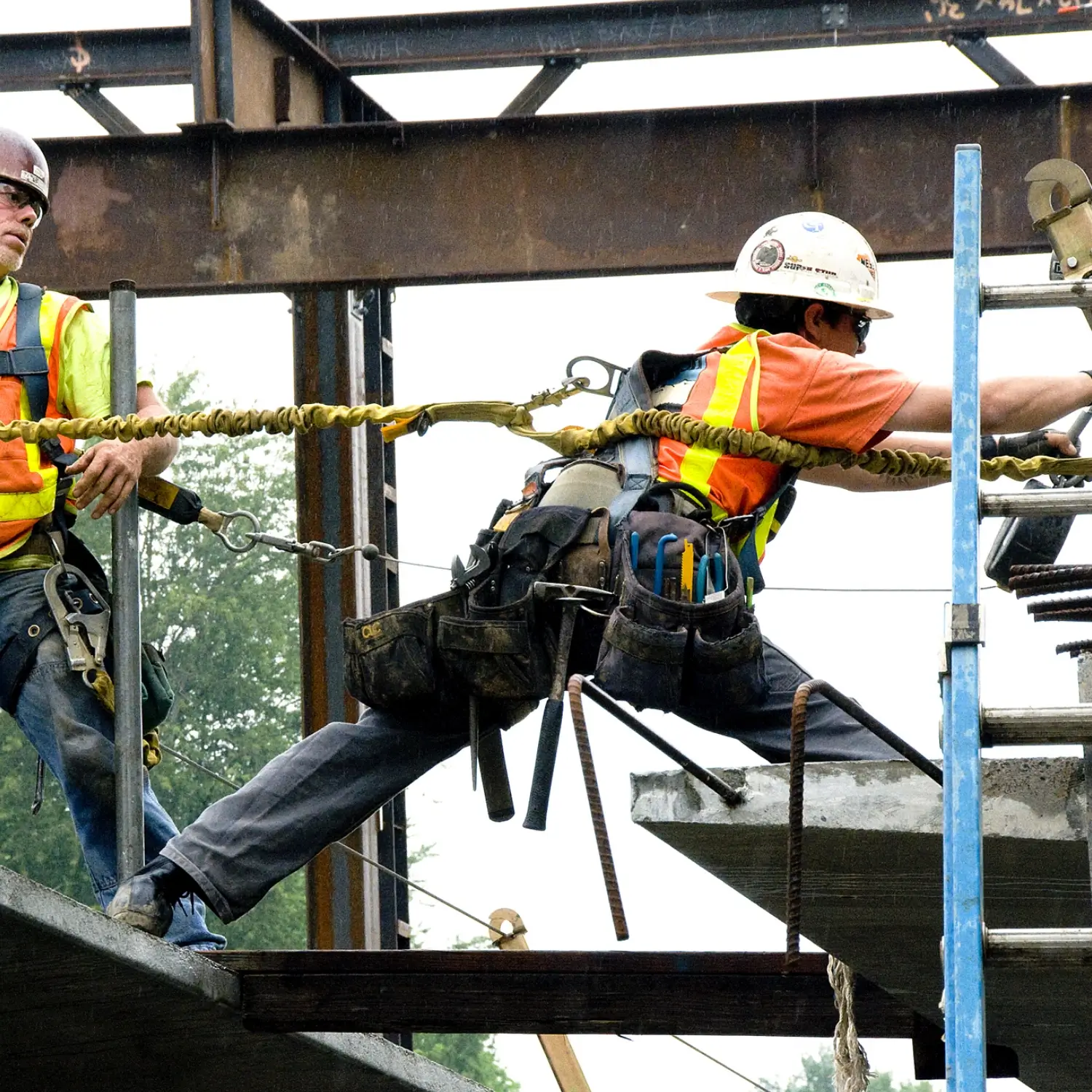
Working at Height Regulations Explained (UK Guide for Employers)

Working at Height Regulations and Safety Requirements in the UK Working at height is one of the highest-risk activities carried out across many UK industries, particularly in construction, maintenance, warehousing, and facilities management. Falls from height remain one of the leading causes of serious workplace injuries and fatalities in the UK. Because of these risks,…

Read article