Construction

You are here:
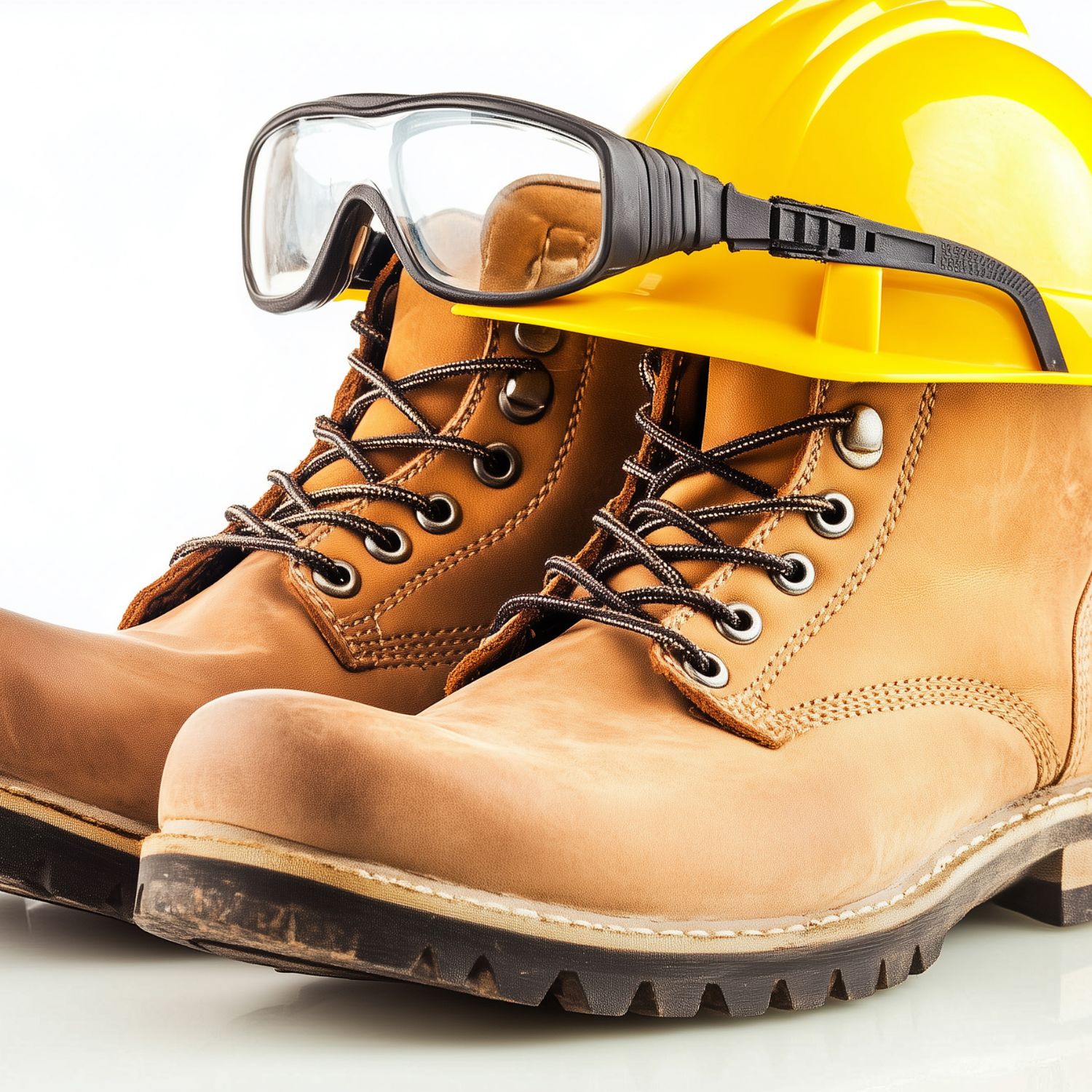
Safety boots, helmet, and goggles for work equipment training.
PPE in the Workplace: What Employers and Employees Need to Know

Personal Protective Equipment (PPE): Employer and Employee Responsibilities From safety footwear and hard hats to gloves and eye protection, personal protective equipment (PPE) is used across many workplaces to help protect people from risks that cannot be adequately controlled in other ways. However, simply handing an employee a pair of gloves or a hard hat…

Read article
Person with a bandaged hand signing documents at a desk.
What Is RIDDOR Training and When Is an Accident RIDDOR Reportable?

What Is RIDDOR Training and When Does an Accident Need to Be Reported Under RIDDOR? When an accident happens at work, employers need to know what to do next. The incident may need to be recorded and investigated, but there is another important question to consider: Does the accident need to be reported under RIDDOR?…

Read article
Who Needs Asbestos Awareness Training?

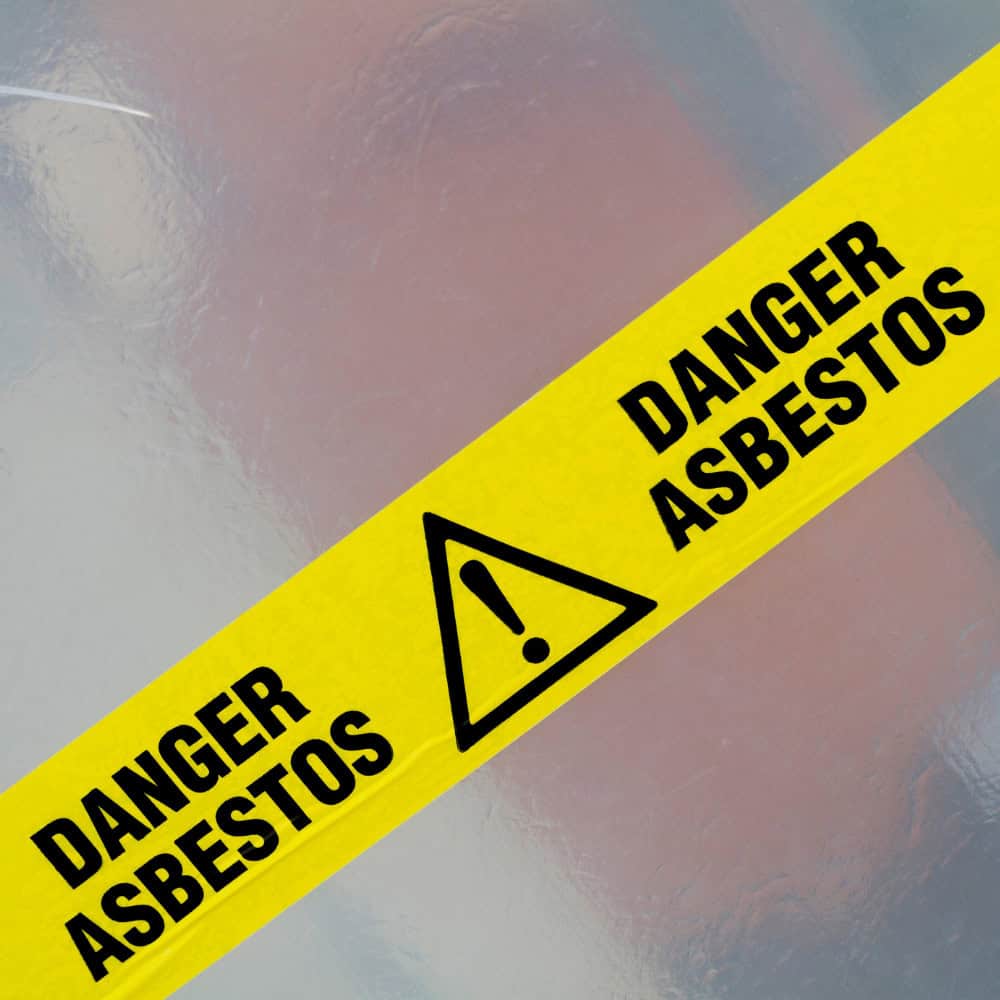
Who Needs Asbestos Awareness Training? Asbestos awareness training is intended for workers who may encounter or accidentally disturb asbestos-containing materials (ACMs) during their normal work, as well as those who supervise this type of work. This can include electricians, plumbers, construction workers, maintenance workers, joiners, roofers, painters and decorators, heating and ventilation engineers and many…

Read article
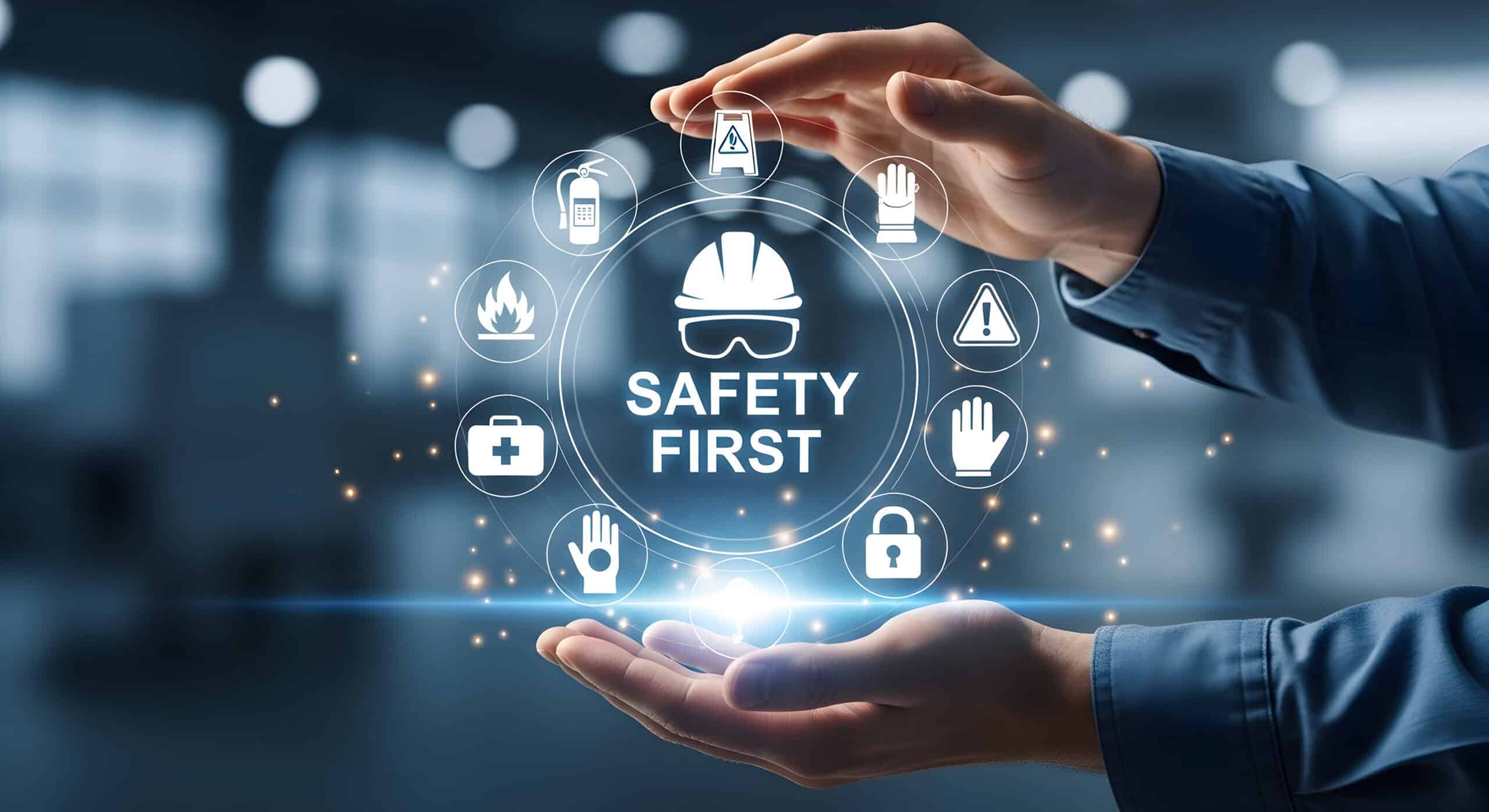
Construction safety icons with safety first message and protective gear.
What Are the Most Common Construction Site Accidents?

The Most Common Construction Site Accidents Construction remains one of the highest-risk industries in the UK. Despite improvements in workplace safety, accidents continue to occur on construction sites every year, resulting in injuries, lost working time, and in some cases, fatalities. Many construction site accidents are preventable. By understanding the most common hazards and ensuring…

Read article
Tangled electrical cables and overloaded power strips under an office desk, highlighting potential workplace fire hazards.
What Are the Most Common Causes of Workplace Fires?

What Are the Most Common Causes of Workplace Fires? Workplace fires can put lives at risk, damage premises and interrupt business operations. Although the hazards vary between offices, warehouses, workshops, hospitality venues and care settings, many fires involve familiar ignition sources, combustible materials or unsafe working practices. Understanding the main causes helps employers identify hazards,…

Read article
Man stressed at work with crumpled papers and laptop on desk.
Drug and Alcohol Awareness in the Workplace: Protecting Employee Health and Safety

Creating Safer Workplaces Through Drug and Alcohol Awareness Creating a safe and healthy workplace goes beyond managing physical hazards. Employers also have a responsibility to consider factors that may affect employee wellbeing, judgement and workplace safety including the misuse of drugs and alcohol. Each year, Alcohol Awareness Week encourages individuals, communities, and organisations to think…

Read article
Manual Handling Training: UK Regulations and Best Practices

Manual Handling Regulations and Safe Working Practices Manual handling is one of the most common causes of workplace injuries in the UK. Tasks such as lifting, carrying, pushing, or pulling heavy objects can place significant strain on the body and lead to musculoskeletal injuries if not performed correctly. For employers, ensuring employees understand safe manual…

Read article