
Working at Height

You are here:
Person with a bandaged hand signing documents at a desk.
What Is RIDDOR Training and When Is an Accident RIDDOR Reportable?

What Is RIDDOR Training and When Does an Accident Need to Be Reported Under RIDDOR? When an accident happens at work, employers need to know what to do next. The incident may need to be recorded and investigated, but there is another important question to consider: Does the accident need to be reported under RIDDOR?…

Read article


Construction safety icons with safety first message and protective gear.
What Are the Most Common Construction Site Accidents?

The Most Common Construction Site Accidents Construction remains one of the highest-risk industries in the UK. Despite improvements in workplace safety, accidents continue to occur on construction sites every year, resulting in injuries, lost working time, and in some cases, fatalities. Many construction site accidents are preventable. By understanding the most common hazards and ensuring…

Read article
Manual Handling Training: UK Regulations and Best Practices

Manual Handling Regulations and Safe Working Practices Manual handling is one of the most common causes of workplace injuries in the UK. Tasks such as lifting, carrying, pushing, or pulling heavy objects can place significant strain on the body and lead to musculoskeletal injuries if not performed correctly. For employers, ensuring employees understand safe manual…

Read article
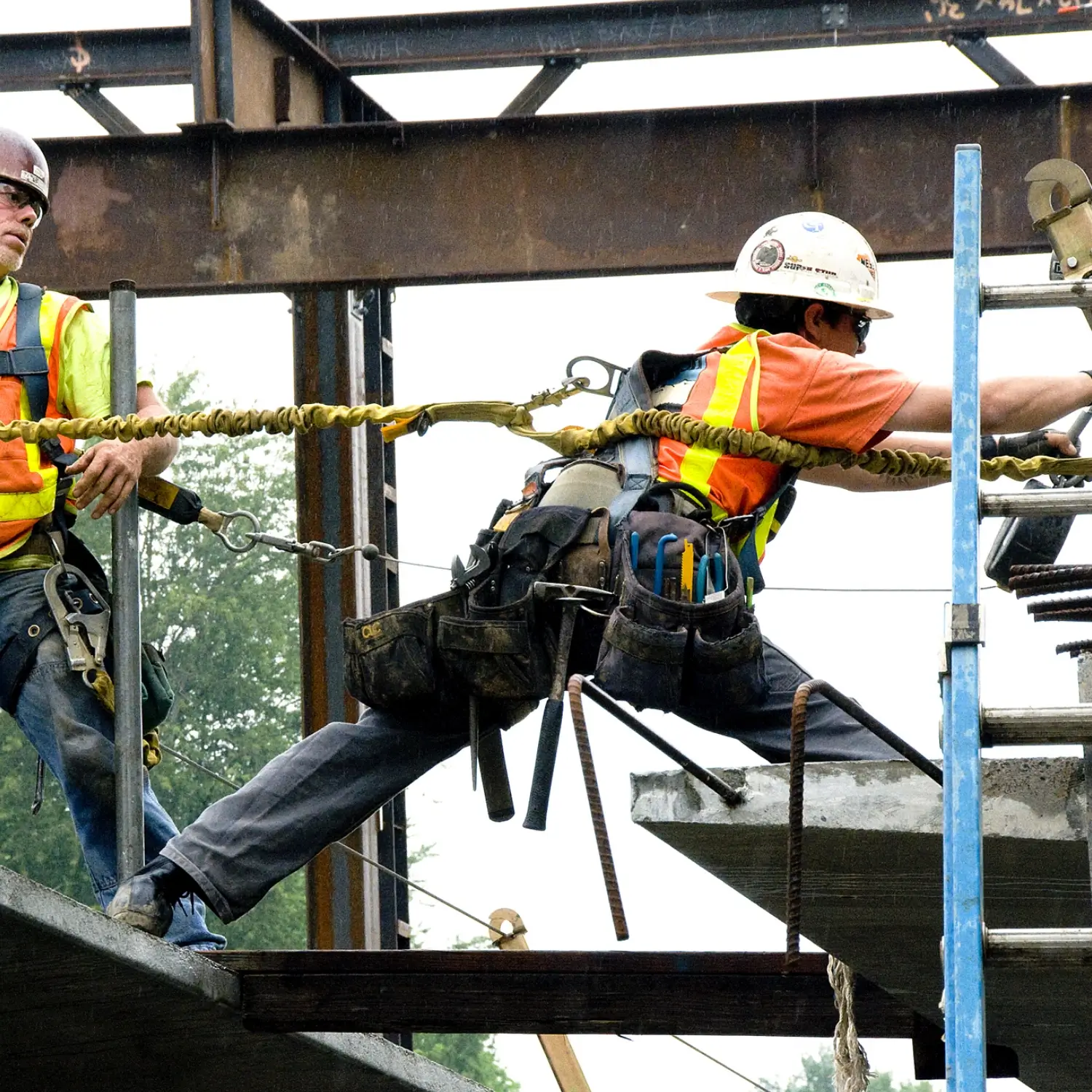
Working at Height Regulations Explained (UK Guide for Employers)

Working at Height Regulations and Safety Requirements in the UK Working at height is one of the highest-risk activities carried out across many UK industries, particularly in construction, maintenance, warehousing, and facilities management. Falls from height remain one of the leading causes of serious workplace injuries and fatalities in the UK. Because of these risks,…

Read article