
The Most Common Construction Site Accidents
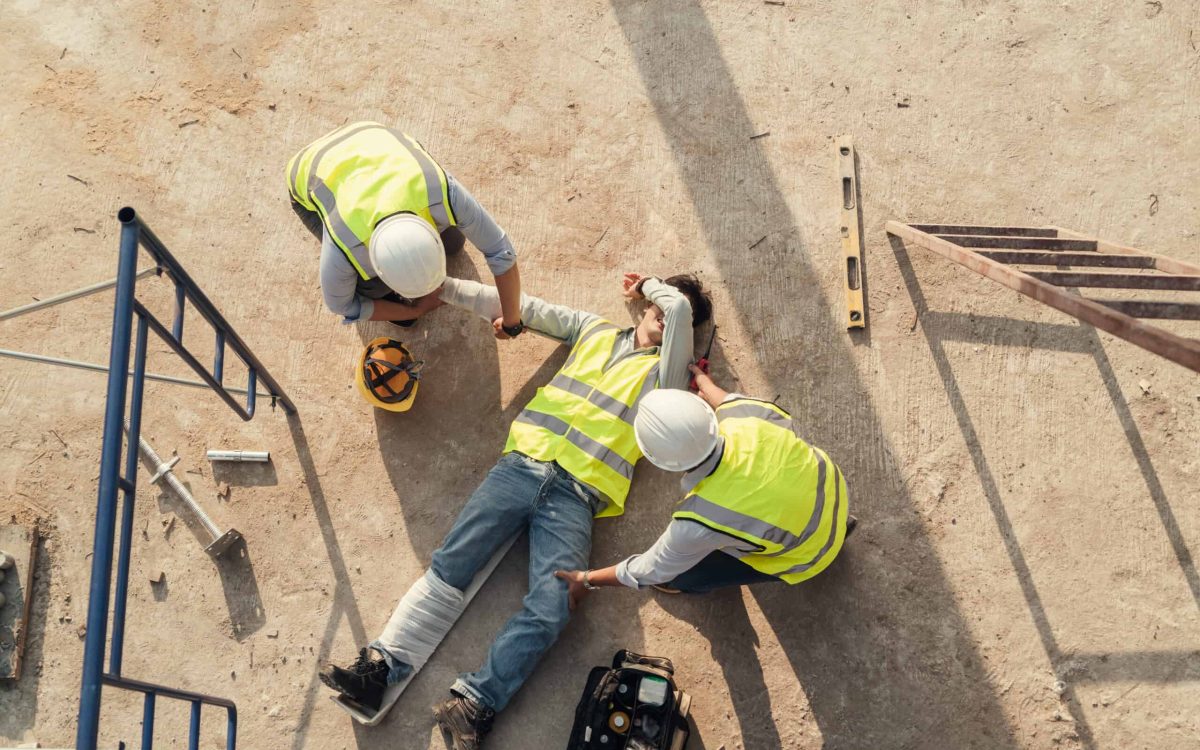
Construction remains one of the highest-risk industries in the UK. Despite improvements in workplace safety, accidents continue to occur on construction sites every year, resulting in injuries, lost working time, and in some cases, fatalities.
Many construction site accidents are preventable. By understanding the most common hazards and ensuring workers receive appropriate health and safety training, employers can significantly reduce risks and create safer working environments.
In this guide, we explore the most common construction site accidents, why they occur, and how businesses can help prevent them.
Construction Site Accidents in the UK: The Facts
Construction remains one of the most dangerous industries in Great Britain. According to the Health and Safety Executive (HSE), workplace accidents continue to result in serious injuries and fatalities each year across the construction sector.
The HSE reports that falls from height remain the leading cause of fatal injuries in the workplace, accounting for approximately half of all fatal injuries within the construction industry. Other common causes of serious injury include workers being struck by moving objects, contact with machinery slips and trips, and manual handling incidents.
These statistics highlight the importance of effective risk management, supervision, and training. Employers have a responsibility to identify workplace hazards, implement suitable control measures and ensure workers understand how to carry out their tasks safely.
Why Construction Safety Matters
The consequences of a construction site accident can be significant for both workers and businesses. In addition to the physical and emotional impact on those involved, accidents can lead to project delays, lost productivity, increased insurance costs, enforcement action and reputational damage.
Many construction site accidents are preventable. Providing appropriate health and safety training, carrying out risk assessments, and ensuring effective supervision can significantly reduce the likelihood of incidents occurring.
Need Health Safety Training?
Explore our range of online health and safety training courses, including Working at Height, Manual Handling, COSHH Awareness and Fire Safety Training.
Falls from height remain one of the leading causes of serious injuries and fatalities on UK construction sites.
Workers may be exposed to fall risks when working on:
- ladders
- scaffolding
- roofs
- elevated work platforms
- temporary structures
Employers should ensure suitable fall prevention measures are in place and that workers receive appropriate training before carrying out tasks at height.
Providing Working at Height Training helps employees understand the risks associated with working at height and how to follow safe working practices.
Slips, Trips and Falls
Construction sites are constantly changing environments where hazards can develop quickly.
Common causes of slips, trips and falls include:
- poor housekeeping
- uneven ground
- trailing cables
- debris and waste materials
- inadequate lighting
Maintaining clear walkways and good housekeeping standards can significantly reduce the likelihood of accidents.
Manual Handling Injuries
Construction workers regularly lift, carry, push, pull and move materials throughout the working day.
Incorrect lifting techniques can lead to:
- back injuries
- muscle strains
- sprains
- long-term musculoskeletal disorders
Providing Manual Handling Training helps workers understand safe lifting techniques and how to reduce the risk of injury.
Struck by Moving Objects
Workers can be seriously injured by falling materials, moving plant, tools, or equipment.
Common causes include:
- falling objects from height
- moving vehicles
- reversing plant machinery
- unsecured loads
Good planning, supervision, exclusion zones and communication are essential for reducing these risks.
Exposure to Hazardous Substances
Construction workers are often exposed to substances that can affect their health if not managed correctly.
Examples include:
- cement
- paints
- solvents
- adhesives
- silica dust
- cleaning products
Exposure to hazardous substances can result in respiratory problems, skin conditions and long-term health issues.
Employers should assess these risks and provide appropriate COSHH Awareness Training where required.
Injuries From Tools and Equipment
Power tools, hand tools and machinery are used daily across the construction industry.
Accidents can occur when:
- equipment is poorly maintained
- tools are used incorrectly
- guards are removed
- workers have not received adequate training
Regular inspections and training help ensure equipment is used safely and effectively.
Fire and Electrical Incidents
Construction sites often contain temporary electrical installations, combustible materials and hot works activities.
Common causes of fire include:
- faulty electrical equipment
- damaged cables
- poor storage of flammable materials
- hot works activities
- inadequate housekeeping
Fire Safety Training helps employees understand fire risks, emergency procedure and workplace responsibilities.
How Training Helps Prevent Construction Site Accidents
According to HSE guidance, employers should ensure construction work is properly planned, supervised, and carried out by competent workers who understand the risks associated with their tasks.
Health and safety training provides workers with the knowledge and confidence to identify hazards and work safely.
Training helps employees:
- recognise workplace risks
- follow site safety procedures
- use equipment correctly
- reduce the likelihood of accidents
- improve overall safety culture
Investing in training is one of the most effective ways to improve safety performance on construction projects.