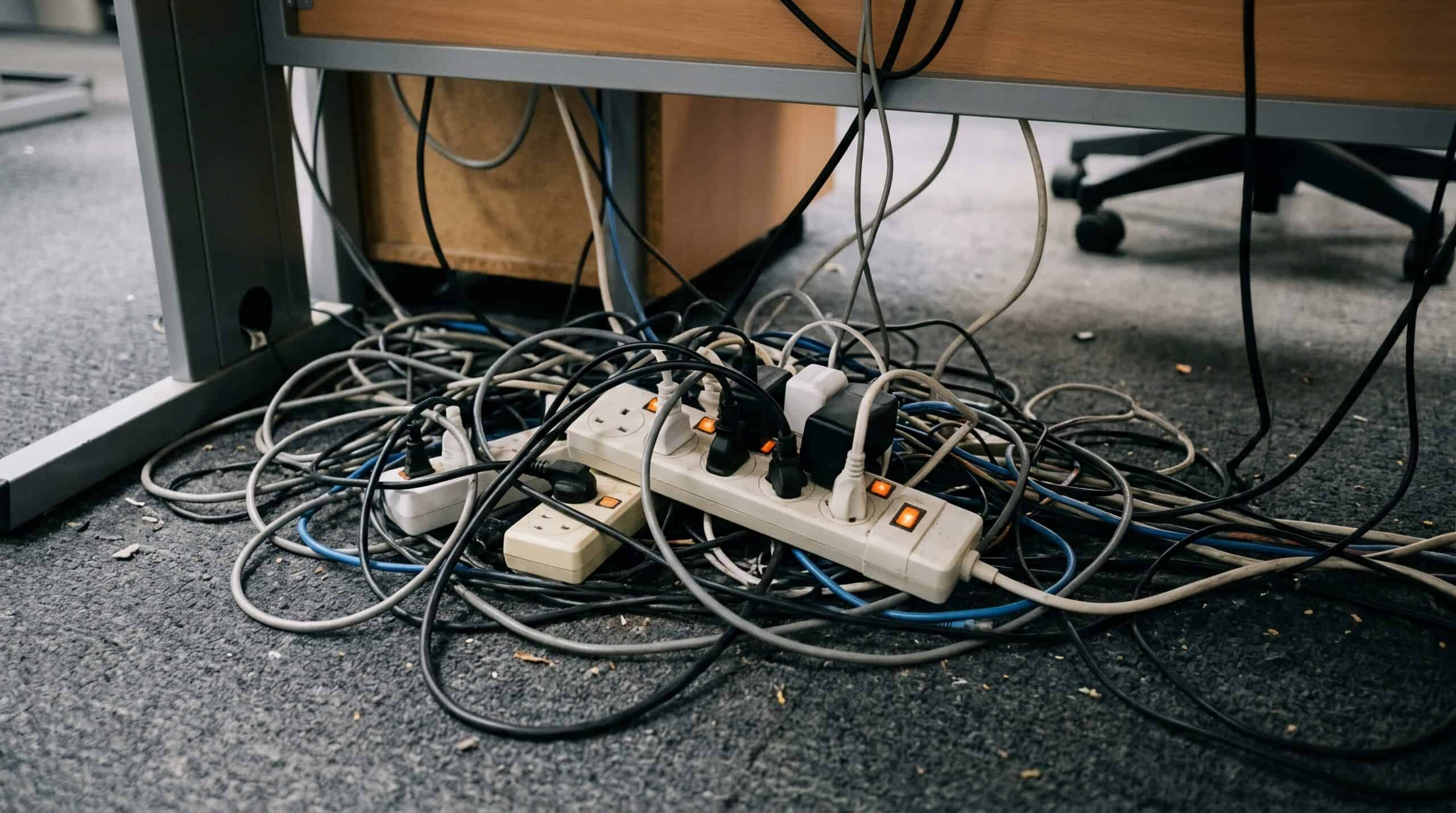

5 Essential Problem-Solving Skills Every Manager Should Have
Problems are part of every workplace. A missed deadline, disagreement between colleagues, lack of resources or unexpected change can quickly become a management issue if it isn’t dealt with effectively.
For managers and supervisors, the challenge isn’t simply identifying that something has gone wrong. It’s understanding why the problem has occurred, what needs to happen next and how to prevent the same issue from happening again.
Strong workplace problem-solving skills can help managers make better decisions, manage their teams more effectively and keep work moving when challenges arise.
So, which skills are particularly important?
Identifying the Real Problem
Before trying to fix a problem, managers need to understand what is actually causing it.
The most obvious issue isn’t always the root cause.
For example, a team repeatedly missing deadlines might initially appear to have a productivity problem. But look a little deeper and the real cause could be unclear instructions, poor planning, insufficient resources or unrealistic workloads.
Workplace problems commonly involve people, tasks or resources, and identifying which area is contributing to the issue is an important starting point. This is also a key area covered within our Problem Solving in a Workplace Training Course.
Rather than immediately reacting, effective managers ask questions, gather information and establish the facts before deciding what to do.
Listening and Communication
Good problem solving relies heavily on good communication.
Managers may need to speak with employees, other departments, customers or senior management to understand what has happened. Asking the right questions and importantly, listening to the answers can reveal information that might otherwise be missed.
Employees doing the job every day may also have valuable insight into why a problem is occurring and how it could be resolved.
Communication becomes particularly important when the problem involves people. Differences of opinion, poor communication, personality clashes and inappropriate behaviour can all create workplace difficulties.
A manager who listens to different perspectives before reaching a conclusion is often in a much stronger position to find a practical solution.
Ready to Strengthen Your Management Skills?
Effective managers need more than technical knowledge. Problem solving, communication, decision-making and leadership skills can all help managers deal with everyday workplace challenges and support their teams more effectively.
At Online Training Store, our flexible online courses make it easy to develop practical management skills at your own pace.
Explore our Problem Solving in a Workplace and Front Line Manager Skills courses and start building skills you can put into practice.
Making Decisions and Taking Action
Analysis is important, but eventually a decision needs to be made.
Managers can sometimes become stuck looking for a perfect solution when what is really needed is a reasonable, informed and timely decision.
Once a solution has been chosen, responsibilities should be clear.
Who needs to do what? When does it need to happen? Are additional resources required? Does the team understand the decision?
This is where wider management skills such as planning and organisation become particularly valuable.
Our Front Line Manager Skills Online Course explores planning and organisation alongside leadership, communication, problem solving and conflict resolution, skills that can help new and developing managers handle their responsibilities more confidently.
Learning From Problems
Solving the immediate issue is only part of good problem solving.
Managers should also consider why it happened and whether anything can be changed to stop it happening again.
For example, if work was delayed because an employee didn’t have the information they needed, simply providing that information solves today’s problem. Reviewing how information is communicated could help prevent tomorrow’s.
Managers can ask:
What happened? Why did it happen? What worked? What didn’t? What could we do differently next time?
This turns workplace problems into opportunities to improve processes, communication and team performance.
Over time, this approach can also help managers become more confident when faced with unfamiliar situations.
Developing Problem-Solving Skills as a Manager
Problem solving isn’t just about reacting when something goes wrong. It’s an important part of everyday management.
Managers regularly need to balance competing priorities, resolve disagreements, manage limited resources and make decisions that affect their team.
For employees taking their first step into management, these responsibilities can feel very different from being a member of the team. Developing skills in problem solving, communication, planning, leadership and conflict resolution can make that transition easier.
Training can provide managers and supervisors with a structured introduction to these skills and help them develop practical approaches they can apply in the workplace.