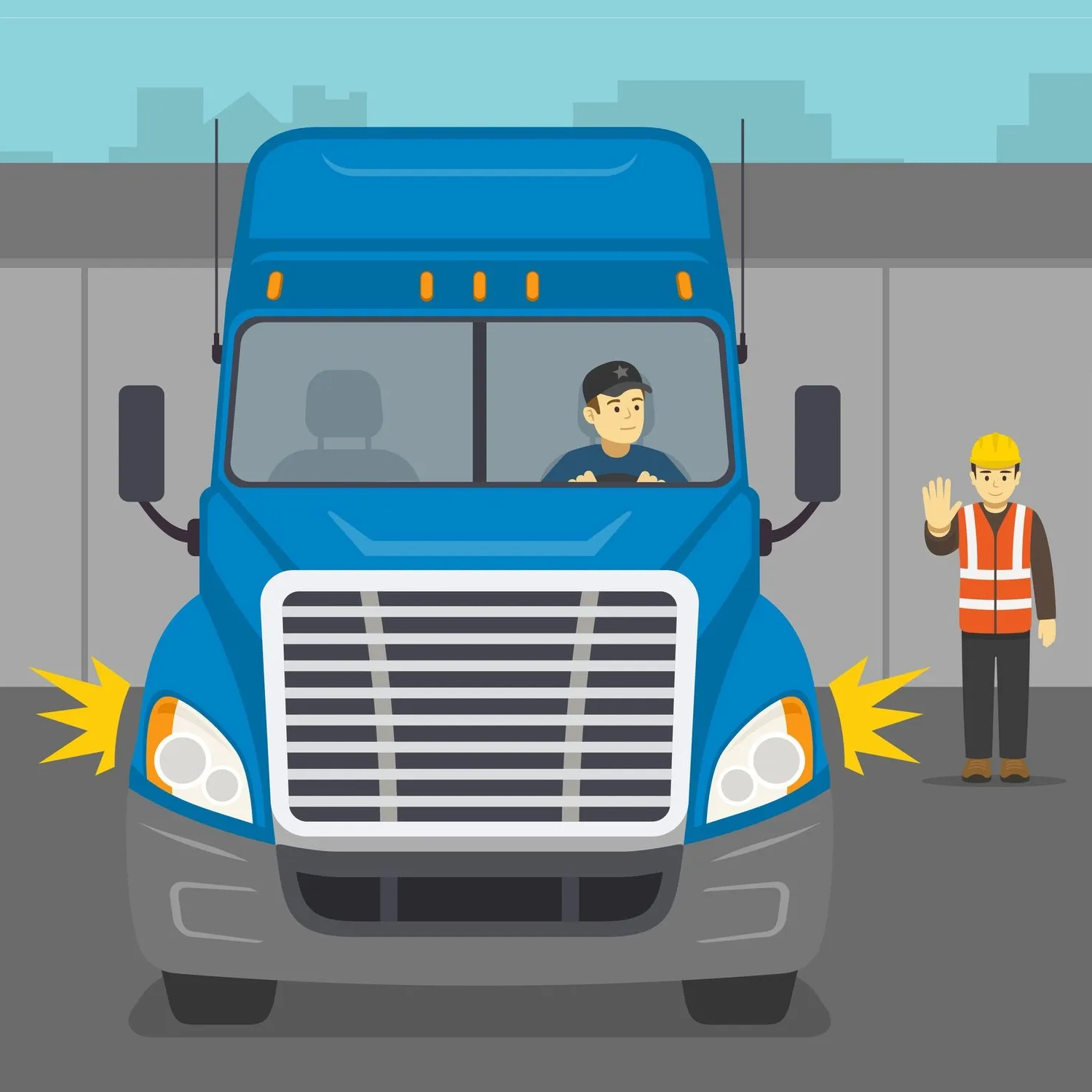
Is Banksman Training a Legal Requirement in the UK?
If your workplace uses delivery vehicles, lorries or mobile plant, you may be wondering whether banksman training is a legal requirement. The answer is more nuanced than a simple yes or no. UK health and safety law requires employers to manage vehicle movement risks and ensure people carrying out safety-critical tasks are appropriately trained and competent. However, it does not impose one universal “banksman licence” or a particular certificate for every workplace.
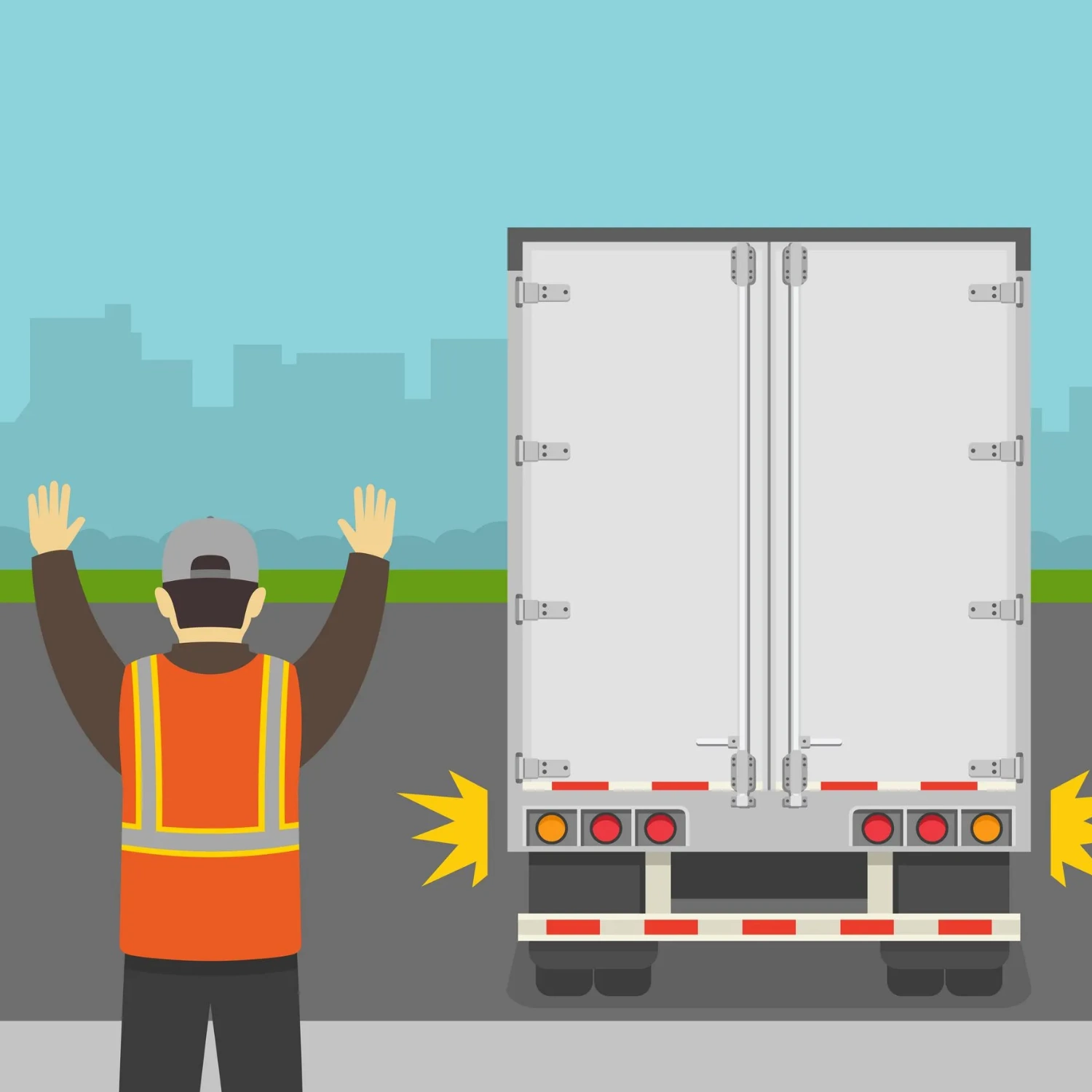
Where a banksman is needed to guide vehicle movements, the Health and Safety Executive (HSE) says that person must be trained and authorised. Crucially, using a banksman should not be the first solution to unsafe reversing: employers should aim to eliminate reversing or separate vehicles from pedestrians wherever reasonably practicable.
What does UK law require?
The Health and Safety at Work etc. Act 1974 places general duties on employers to protect employees and others affected by their activities. The Management of Health and Safety at Work Regulations 1999 require suitable and sufficient risk assessments and effective preventive arrangements. In many workplaces, the Workplace (Health, Safety and Welfare) Regulations 1992 also require traffic routes to be organised so pedestrians and vehicles can circulate safely. On construction sites, the Construction (Design and Management) Regulations 2015 apply instead, including duties on traffic routes and vehicles.
These duties focus on controlling the actual risk, not simply buying a certificate. Employers should assess how vehicles enter, travel through, load, unload and leave their premises; identify pedestrian interfaces; and put proportionate controls in place.
Does every workplace need a banksman?
No. A banksman is not automatically required wherever vehicles reverse. HSE guidance prioritises removing the need to reverse – for example, through one-way systems or drive-through loading areas – and segregating pedestrians from vehicles. Where reversing cannot be avoided, employers should plan and mark reversing areas and keep unnecessary people out.
A trained banksman may be considered where the risk assessment shows other controls cannot adequately manage the manoeuvre. A banksman must not be used as a substitute for poor site layout or ineffective traffic management.
What training does a banksman need?
A person directing vehicle movements needs training appropriate to the vehicles, site, risks and tasks involved. They must understand their role, safe positioning, agreed hand signals, communication with drivers and what to do if visibility or communication is lost. The employer should also check that they can perform the role safely in practice and formally authorise them where appropriate.
HSE guidance says drivers should stop immediately if the banksman disappears from view. A safe system of work should also ensure the banksman remains out of the vehicle’s path and wears suitable high-visibility clothing.
Do You Need a Banksman Ticket, Card or Certificate?
There is no single government-issued banksman licence or ticket that every workplace must require. However, many construction sites and principal contractors set their own rules. Some ask for a practical card such as the CPCS A73 Plant and Vehicle Marshaller card, an NPORS card, or a training provider’s practical certificate.
A CSCS card is a separate site-access scheme and is not a banksman qualification. A certificate from an online knowledge course is also different: it shows you have completed the training and passed the online assessments, but it is not a practical competence assessment or a card. Check the site’s requirements before booking.
Can banksman training be completed online?
Online training can cover the knowledge side of the role, including reversing risks, responsibilities and signals. It does not, on its own, show that someone can safely guide a real vehicle, so employers decide what practical instruction and assessment are also needed. Our guide to Online vs Practical Banksman Training explains the difference, and our CPD-approved online banksman training course covers the knowledge element in about 40 minutes (£17.50 + VAT).
Explore the course: Banksman Training Course
What should employers check before assigning a banksman?
- Have vehicle reversing risks been assessed, and can reversing be eliminated or reduced?
- Are vehicle routes and pedestrian areas separated wherever possible?
- Is a banksman genuinely needed after other controls have been considered?
- Has the individual received suitable training and demonstrated practical competence for the task?
- Are the banksman and driver using agreed signals, safe positioning and a clear stop procedure?
- Have site rules, authorisation, supervision and any contractor requirements been addressed?
Frequently Asked Questions
Where someone is used to direct vehicle movements, employers must ensure the role is performed safely. HSE guidance specifies trained and authorised banksmen. Allowing an untrained person to perform the task may breach employers’ wider health and safety duties.
There is no single statutory renewal interval applying to all banksmen. Refresher training should reflect risk, changes in equipment or site conditions, performance and employer or site requirements.
Not automatically. Online knowledge training does not by itself demonstrate practical competence or satisfy every site’s card or assessment requirements. Check with the employer or principal contractor.
Build your understanding of vehicle reversing safety
If you are a supervisor, manager or worker involved in workplace vehicle movements, our CPD-approved Banksman Training course provides an accessible introduction to key safety principles. Learn online at your own pace and use the knowledge alongside the practical instruction and workplace controls your role requires.