
What Does a Banksman Do? Duties, Responsibilities and Safety Signals
A banksman helps manage vehicle movements in workplaces where manoeuvring, particularly reversing, creates a risk to people or property. Banksmen may be used on construction sites, in yards, warehouses and other locations where drivers have restricted visibility or vehicles operate close to pedestrians.
Their role is to help a driver manoeuvre safely using agreed signals and clear communication. However, a banksman is not a substitute for good site design, suitable traffic routes or effective vehicle and pedestrian segregation. Employers should first consider how to avoid reversing and reduce vehicle movement risks wherever reasonably practicable.
What are the main duties of a banksman?
The precise duties depend on the workplace, the vehicle, the traffic management arrangements and the employer’s risk assessment. Typical responsibilities can include:
- Following the site traffic management plan and agreed safe system of work.
- Checking that the planned manoeuvre and route are suitable and that the area is clear of people and obstacles.
- Positioning themselves where the driver can see them, while remaining in a safe location away from the vehicle’s path.
- Using the agreed hand signals or communication method to guide authorised manoeuvres.
- Watching for pedestrians, changing conditions and other hazards during the movement.
- Stopping the manoeuvre if communication is lost or conditions become unsafe.
Banksmen should only carry out tasks for which they have received suitable instruction, training and authorisation. They must not place themselves between a moving vehicle and a fixed object, or enter a danger area to keep the vehicle moving.
Why is reversing such a significant risk?
Reversing vehicles can seriously injure pedestrians, strike structures or damage equipment. Blind spots, poor visibility, noise, distractions and restricted spaces can make these movements especially hazardous.
The safest approach is to avoid reversing where possible, for example through one-way routes or drive-through loading arrangements. Where reversing cannot be avoided, employers should assess the risk and put suitable controls in place. These may include segregated pedestrian routes, designated reversing areas, suitable vehicle aids and, where appropriate, a trained banksman.
What hand signals does a banksman use?
Banksmen may use recognised hand signals to communicate instructions such as stop, move forwards, reverse or change direction. The signals used must be agreed and understood by both the banksman and the driver before a manoeuvre begins.
The Health and Safety (Safety Signs and Signals) Regulations 1996 include requirements relating to safety signs and hand signals where they are used. Employers should ensure signals are appropriate, clear and unambiguous, and that the people using them have been trained.
The Regulations set out standard hand signals, including:
| Type | Signals |
|---|---|
| General | Start; Stop; End of operation |
| Vertical movement | Raise; Lower; Vertical distance |
| Horizontal movement | Move forwards; Move backwards; Right; Left; Horizontal distance |
| Danger | Danger (emergency stop); Quick; Slow |
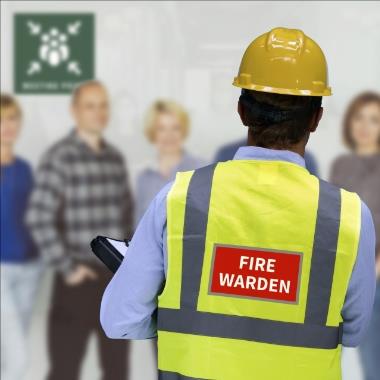
The signaller should also be easy for the driver to recognise, for example by wearing brightly coloured, distinctive high-visibility clothing.
Signals should never be improvised during a hazardous manoeuvre. If the driver loses sight of the banksman, cannot understand the instruction or is unsure whether it is safe to continue, the vehicle should stop until communication and safe conditions are restored.
What is the difference between a banksman and a traffic marshal?
The terms are sometimes used interchangeably, but job titles and responsibilities vary between workplaces. A banksman typically focuses on guiding particular vehicle manoeuvres, while a traffic marshal may have wider responsibilities for managing vehicle and pedestrian movements under a site traffic management plan.
The job title alone does not demonstrate competence. Employers need to define the role, assess the risks and ensure that anyone directing vehicles is appropriately trained, supervised and authorised for the work they actually perform.
Is a banksman the same as a slinger signaller?
No. A slinger signaller directs lifting operations, such as crane lifts, and needs separate training. A banksman guides vehicle movements.
Does a banksman need training?
Yes. Employers have duties to provide suitable information, instruction, training and supervision for work activities involving vehicle risks. A person directing vehicle movements must understand the relevant hazards, safe procedures and communication methods, and be able to carry out their assigned tasks safely.
The training needed will depend on the task and workplace. Knowledge-based online training can help learners understand reversing hazards, banksman responsibilities, safety checks and signals. Where someone will physically direct vehicles, employers must also establish that they have the necessary practical skills and competence for the role.
Can you learn banksman safety online?
Online learning is a convenient way to build or refresh knowledge of workplace vehicle risks. Our CPD-approved Online Banksman Training course covers reversing accidents, risk assessments and safe systems of work, banksman duties, vehicle checks and hand and verbal signals.
The course contains approximately 40 minutes of video content across three modules, each with a 70% pass mark. It is designed for people involved in vehicle movements, including those working in construction and heavy industry, and supervisors or managers who need to understand the risks.
It is knowledge-based training. Completion of this online course alone should not be treated as proof of practical banksman competence or entitlement to a CSCS card or other site competency card.
Key takeaways for employers
Banksmen can form part of a safe vehicle movement system, but the priority should always be to prevent unnecessary reversing and keep pedestrians away from moving vehicles. Where banksmen are used, employers should set clear procedures, ensure effective communication and check that the person has the training and practical ability needed for the specific task.
Frequently Asked Questions
A banksman may guide authorised vehicle manoeuvres using agreed signals while monitoring the surrounding area for hazards. Their duties should be defined in the site traffic management arrangements.
A banksman must remain in a safe position where the driver can see them and should not stand in the vehicle’s path or a crush zone. If safe communication cannot be maintained, the manoeuvre should stop.
An online course can develop or refresh relevant knowledge, but employers must separately ensure that anyone directing vehicles has the necessary practical competence, instruction and authorisation for the task.