How Often Should a Workplace Fire Drill Be Carried Out?
Most workplaces should carry out at least one fire drill a year, but some will need them more often. The appropriate frequency depends on the fire risk assessment, the people using the building, shift patterns and how well the evacuation arrangements work.
A fire drill is more than sounding an alarm. It tests whether people understand the emergency plan, can reach a place of safety and know what to do if something goes wrong. Here is how UK employers can plan, carry out and record effective drills.
How often should workplace fire drills take place?
UK government workplace guidance says employers should carry out at least one fire drill per year and record the results. More frequent drills may be appropriate where the risks or circumstances justify them. Home Office guidance explains that there is no single statutory interval that fits every premises; drills are likely to be needed at least annually and often more frequently, for example every six months.
Your fire risk assessment and emergency plan should establish a suitable schedule. Consider extra drills where there are complex escape arrangements, high staff turnover, multiple shifts, people needing assistance or weaknesses identified during earlier exercises.
Are fire drills a legal requirement in the UK?
In England and Wales, the Regulatory Reform (Fire Safety) Order 2005 requires the responsible person to establish appropriate emergency procedures, including safety drills where necessary, and to provide adequate employee fire safety training. It does not prescribe a fixed six-monthly or annual interval for every building. The annual recommendation comes from government guidance, with frequency informed by risk.
Scotland and Northern Ireland have different fire safety legislation. Employers operating there should check the relevant national requirements and guidance.
When might a workplace need more frequent fire drills?
After significant alterations to the building, escape routes or evacuation arrangements.
- When a previous drill identified confusion, delays or problems requiring retesting.
- Where there are day, night or rotating shifts and different groups need an opportunity to practise.
- Following substantial changes in staffing, occupancy or the needs of building users.
- Where the fire risk assessment identifies more complex evacuation arrangements or higher risks.
These are factors to assess, not a universal rule that every workplace must drill every six months.
Need Fire Marshal or Fire Safety Training?
Give your employees the knowledge and confidence to understand workplace fire risks and what to do in an emergency.
Online Training Store provides Fire Safety Awareness and Fire Marshal Training, allowing employees to complete their training online at a time that suits them.
How should you plan and carry out a fire drill?
Set a clear objective before the drill: for example, testing the alarm response, a particular escape route, assembly-point arrangements or assistance for people who need help. Coordinate the exercise with the responsible person and any other occupiers or employers who share the premises.
- Brief the people organising and observing the drill and agree how to manage any safety-critical activities.
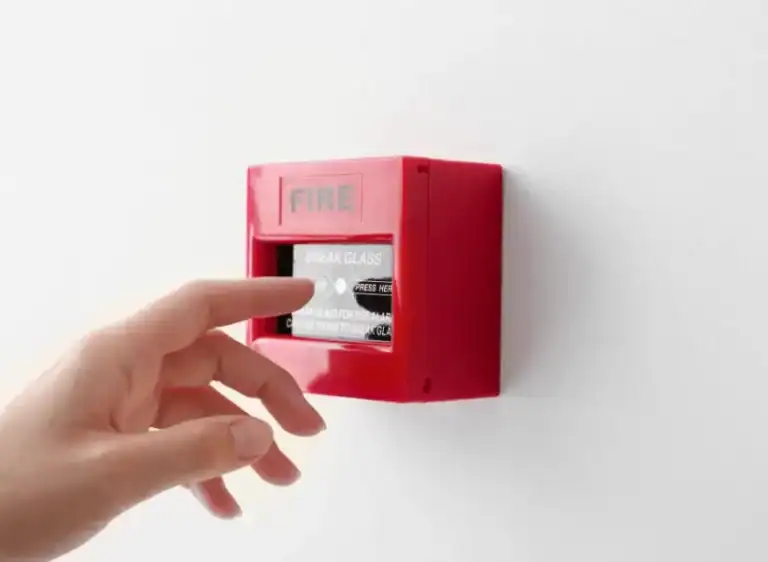
- Activate the agreed alarm or drill procedure and observe how people respond.
- Check that designated escape routes, exits and assembly arrangements work as planned.
- Observe the actions of fire marshals or wardens within their assigned duties.
- Account for people in line with the emergency plan; do not send anyone back into a building to search for others.
- Debrief, record findings, assign corrective actions and check they have been completed.
A drill must not create unnecessary danger. Arrangements should account for people who need assistance and for any processes that cannot safely be stopped immediately.
What should be recorded after a fire drill?
Keep a simple record of the date and time, premises or areas covered, shifts involved, objective, observations, any evacuation timing used, issues found, action owners and completion dates. Record whether any planned assistance or alternative evacuation arrangements worked as intended.
The purpose of recording is to improve safety, not simply to demonstrate that a drill took place. Review repeated problems and update the emergency plan or training where necessary.
What is the role of a fire marshal during a drill?
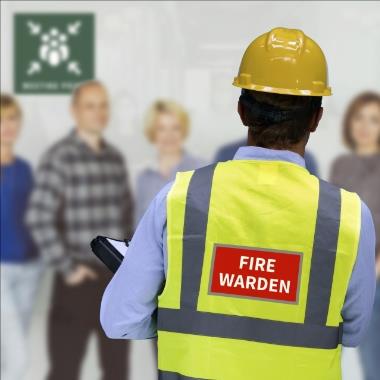
Fire marshals or wardens may help direct people to safe exits, report on designated areas and support assembly arrangements, depending on their training and the workplace emergency plan. They should not take unnecessary risks or delay their own evacuation.
If you are appointing or refreshing the knowledge of workplace fire wardens, explore our Fire Marshal Training course
Fire drills and fire safety training work together
Drills give people practical experience of the site’s evacuation arrangements. Fire safety training supports understanding of hazards, alarms, escape routes and responsibilities. Online learning can support knowledge, but it does not replace workplace-specific induction, practical drills or arrangements identified by the fire risk assessment.
For general employee awareness, see our Fire Safety Training course
Frequently asked questions about workplace fire drills
It may be for some premises, but not all. Government guidance recommends at least annually, while the fire risk assessment and previous drill findings should determine whether additional exercises are appropriate.
Drill arrangements should account for employees on different shifts. A daytime drill alone may not adequately test arrangements for permanent night-shift staff.
No. All employees need appropriate fire safety information and training, but additional fire marshal or warden instruction should match the specific responsibilities allocated to those people.
The approach should be risk-assessed. Planned drills are useful for familiarisation; unannounced exercises may test responses but must be managed safely and appropriately for the premises and occupants.
Care settings may have residents who cannot evacuate independently, so exercises should be designed around the premises’ fire strategy and residents’ needs. Staff training, shift coverage and safe simulation are particularly important. See our Fire Warden for Care Homes course
Keep your evacuation arrangements ready
A sensible fire drill programme is based on risk, carried out safely and followed by meaningful action. Review your fire risk assessment, make sure employees understand the emergency plan and use each drill to strengthen your arrangements.
Read more: What Does a Fire Marshal Do?
Related reading: What Are the Most Common Causes of Workplace Fires?