Working at Height Regulations and Safety Requirements in the UK
Working at height is one of the highest-risk activities carried out across many UK industries, particularly in construction, maintenance, warehousing, and facilities management. Falls from height remain one of the leading causes of serious workplace injuries and fatalities in the UK.
Because of these risks, employers have a legal duty to ensure appropriate safety measures, risk assessments, and training are in place whenever employees carry out tasks above ground level.
In this guide, we explain the Work at Height Regulations 2005, employer responsibilities under UK law, and the key steps businesses can take to prevent falls and improve workplace safety.
What Are the Work at Height Regulations 2005?
The Work at Height Regulations 2005 are part of UK workplace health and safety legislation and apply to any work where a person could fall and injure themselves.
This includes work carried out on:
- ladders
- scaffolding
- roofs
- platforms
- raised surfaces
Under the regulations, employers must:
- avoid working at height where possible
- carry out suitable risk assessments
- provide appropriate safety equipment
- ensure employees receive proper Working at Height Training
These regulations apply across multiple industries including construction, maintenance, warehousing, telecommunications, and utilities.
Employer Responsibilities Under UK Law
Under the Work at Height Regulations 2005, employers have a legal responsibility to ensure all work at height is properly planned, supervised, and carried out safely.
This includes:
- identifying workplace hazards
- assessing risks before work begins
- providing suitable fall prevention equipment
- ensuring employees are competent and trained
Risk assessments should consider:
- the height of the task
- weather conditions
- stability of the working surface
- the equipment being used
- emergency procedures
By taking these precautions, businesses can significantly reduce workplace accidents and improve employee safety.
Need a Course?
Our Working at Height Training provides employers and employees with the knowledge required to comply with the Work at Height Regulations 2005 and safely manage risks associated with working at height.
Fall Prevention in the Workplace
Preventing falls is one of the main objectives of the Work at Height Regulations.
Employers should implement several safety measures to reduce risks and protect employees.
Proper Planning of Tasks
Before work begins, tasks should be carefully planned to determine whether working at height is necessary. In some situations, alternative methods can be used to avoid working above ground level entirely
Using Suitable Equipment
Employees should use suitable safety equipment such as:
- scaffolding
- guard rails
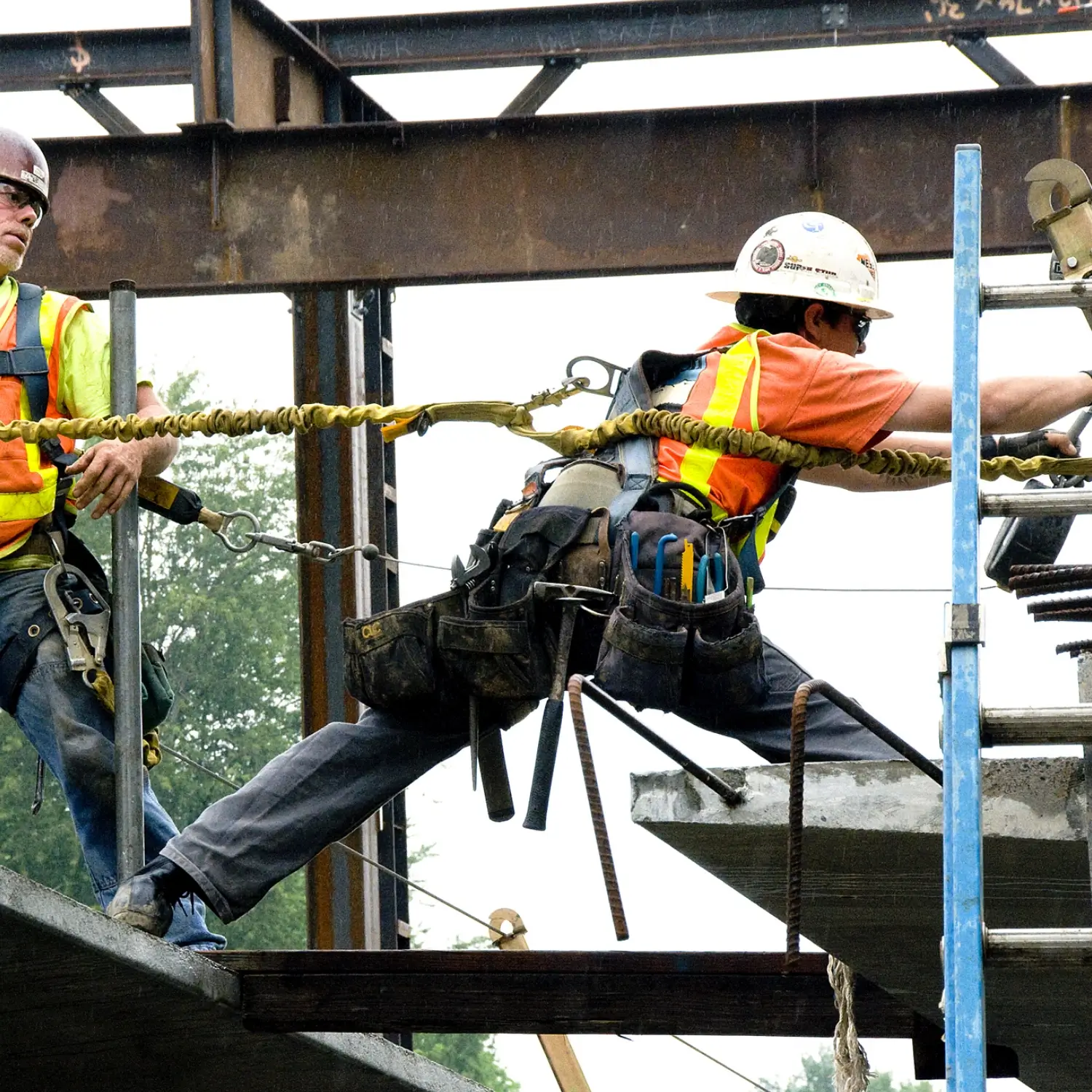
- fall arrest systems
- working platforms
Ladders should only be used for lower-risk and short-duration tasks where appropriate safety precautions are in place.
Providing Working at Height Training
Employees carrying out tasks at height should receive appropriate Working at Height Training so they understand workplace risks and safe working procedures.
Training helps employees:
- recognise hazards
- use equipment safely
- follow correct safety procedures
- reduce the likelihood of falls
Providing proper training also helps employers demonstrate compliance with UK workplace safety regulations.
Why Working at Height Training Is Important
Providing Working at Height Training helps businesses:
- reduce workplace accidents
- improve employee awareness
- support compliance with UK legislation
- strengthen workplace safety culture
- protect employees from serious injury
Well-trained employees are more likely to identify hazards, follow safe working procedures, and use equipment correctly.
Improve Workplace Safety with Working at Height Training
Working at height activities carry significant risks, making proper training essential for protecting employees and maintaining compliance with UK workplace safety legislation.
By providing appropriate Working at Height Training, businesses can reduce accidents, improve safety awareness, and create safer working environments.