

How to Improve Workplace Wellbeing: A Practical Guide for Employers
A Practical Employer’s Guide to Improving Workplace Wellbeing Employee wellbeing has become an essential part of creating a safe, healthy and productive workplace. Organisations that prioritise wellbeing often benefit from happier employees, improved morale, higher productivity and lower levels of absenteeism. Workplace wellbeing isn’t just about preventing illness, it involves creating an environment where employees…
Read article
Drug and Alcohol Awareness in the Workplace: Protecting Employee Health and Safety
Creating Safer Workplaces Through Drug and Alcohol Awareness Creating a safe and healthy workplace goes beyond managing physical hazards. Employers also have a responsibility to consider factors that may affect employee wellbeing, judgement and workplace safety including the misuse of drugs and alcohol. Each year, Alcohol Awareness Week encourages individuals, communities, and organisations to think…
Read article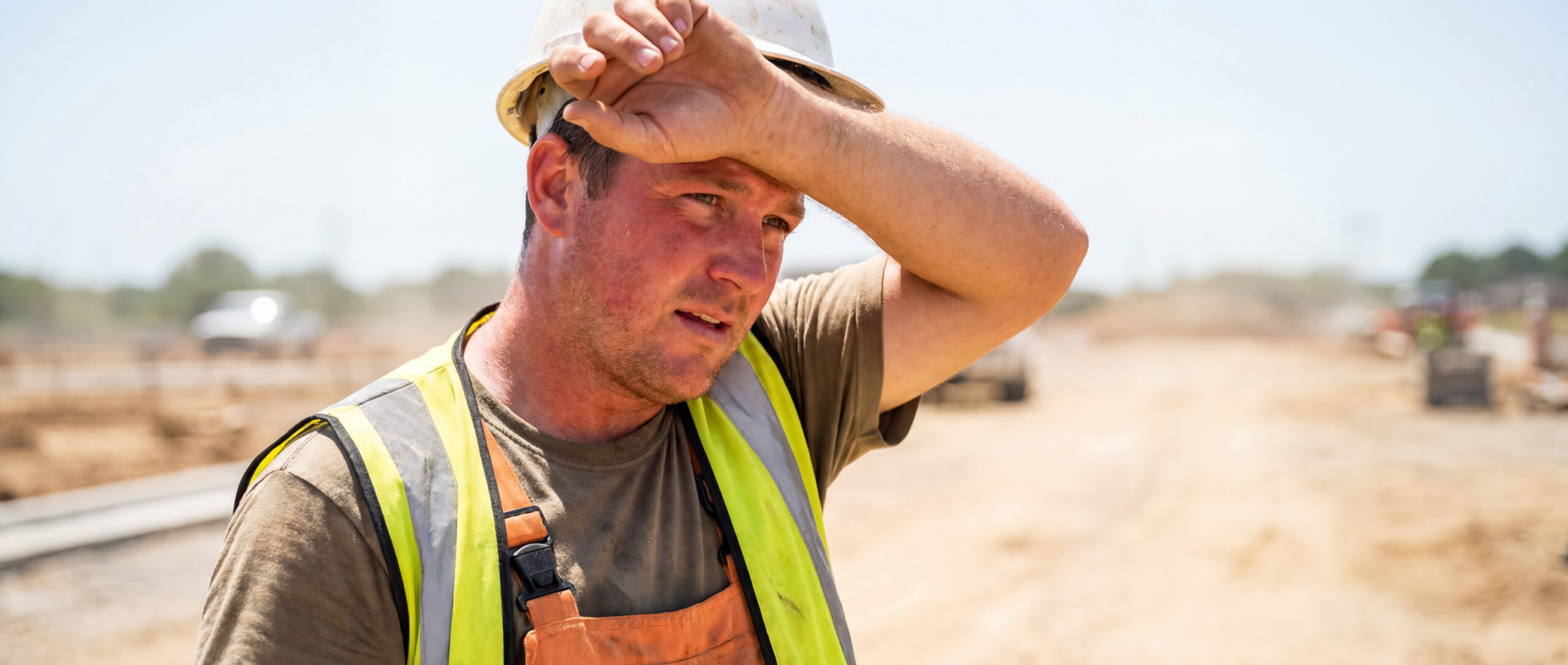
Working in Hot Weather: Legal Requirements, Guidance and Tips for Employers
Hot Weather Safety at Work: Employer Responsibilities, Best Practices, and Compliance Requirements Hot weather can present significant challenges for both employers and employees. While warmer temperatures are often welcomed, excessive heat can affect concentration, productivity, and, more importantly, employee health and safety. Whether employees work outdoors in construction, landscaping, agriculture, and utilities, or indoors in…
Read article
Stress Management in the Workplace: A Guide for Employers
Managing Workplace Stress: An Employer’s Guide Workplace stress is a growing concern for many organisations. Tight deadlines, heavy workloads, and challenging working environments can all contribute to increased stress levels among employees. When stress is not managed effectively, it can affect employee wellbeing, productivity, and overall workplace morale. For employers, understanding how to recognise and…
Read article
Manual Handling Training: UK Regulations and Best Practices
Manual Handling Regulations and Safe Working Practices Manual handling is one of the most common causes of workplace injuries in the UK. Tasks such as lifting, carrying, pushing, or pulling heavy objects can place significant strain on the body and lead to musculoskeletal injuries if not performed correctly. For employers, ensuring employees understand safe manual…
Read article
COSHH Training Explained: Who Needs It and Why
Who Needs COSHH Training? Everything You Need to Know Many workplaces use substances that can be hazardous to health, including chemicals, cleaning products, dust, and fumes. Without proper handling and safety procedures, exposure to these substances can lead to serious health risks for employees. To reduce these risks, UK legislation requires employers to assess and…
Read article