
Who Needs COSHH Training? Everything You Need to Know
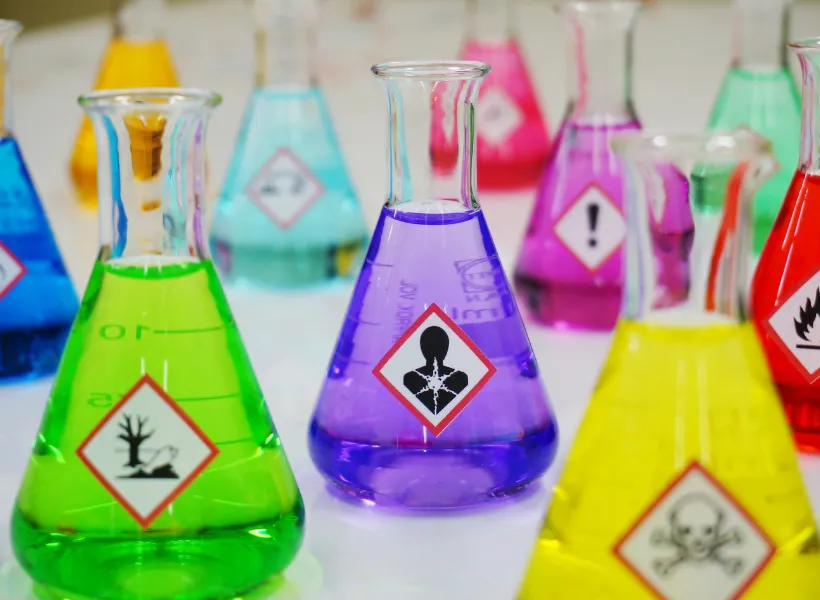
Many workplaces use substances that can be hazardous to health, including chemicals, cleaning products, dust, and fumes. Without proper handling and safety procedures, exposure to these substances can lead to serious health risks for employees.
To reduce these risks, UK legislation requires employers to assess and control exposure to hazardous substances in the workplace. One of the most effective ways to ensure employees understand these risks is through COSHH training.
In this guide, we explain what COSHH training is, who needs it, and why it is essential for maintaining workplace safety.
What Is COSHH?
COSHH stands for Control of Substances Hazardous to Health. The COSHH Regulations require employers to protect employees from substances that may cause harm to their health.
Hazardous substances can include:
- chemicals and cleaning products
- dust from construction materials
- fumes, vapours, and gases
- biological agents such as bacteria or viruses
Employers must assess the risks associated with these substances and implement measures to reduce exposure.
What Is COSHH Training?
COSHH training helps employees understand the risks associated with hazardous substances and how to handle them safely.
The training typically covers:
- how to identify hazardous substances in the workplace
- how exposure to substances can affect health
- how to follow COSHH safety procedures
- how to use personal protective equipment (PPE)
- how to read safety labels and safety data sheets
By completing COSHH training, employees can recognise potential hazards and follow safe working practices.
Why COSHH Training Is Important
Exposure to hazardous substances can cause a wide range of health problems, including respiratory conditions, skin irritation, burns, and long-term illnesses.
Providing COSHH training helps organisations reduce these risks by ensuring employees understand how to work safely with potentially dangerous materials.
Training also helps businesses demonstrate compliance with workplace health and safety regulations. If an incident occurs, employers must show that they have taken reasonable steps to protect employees from harm.
Need a Course?
Our COSHH Awareness Training is designed to give workers a clear understanding of the health risks associated with hazardous substances and how to handle them safely in the workplace. To build a strong safety culture, many organisations combine COSHH training with other workplace health and safety courses.
Who Needs COSHH Training?
COSHH training is relevant for employees who work with hazardous substances or may be exposed to them as part of their job.
Several industries commonly require COSHH training.
Construction
Construction workers may be exposed to substances such as cement dust, solvents, adhesives, and paints. COSHH training helps workers understand the risks associated with these materials and how to handle them safely.
Manufacturing
Manufacturing environments often involve the use of chemicals, oils, and industrial cleaning products. Training helps employees recognise hazards and follow safe handling procedures.
Healthcare and Social Care
Healthcare staff may work with disinfectants, cleaning chemicals, and biological hazards. COSHH training helps ensure these substances are handled safely to protect both staff and patients.
Cleaning Services
Cleaning staff frequently work with chemical cleaning products that may be harmful if used incorrectly. COSHH training helps ensure these substances are used and stored safely.
Hospitality
Hotels, restaurants, and catering businesses also use cleaning chemicals and sanitising products. Training ensures employees understand the risks and how to minimise exposure.
Best Practices for Managing Hazardous Substances
Employers can take several steps to ensure hazardous substances are managed safely in the workplace.
Carry Out COSHH Risk Assessments
Employers should identify hazardous substances used in the workplace and assess the risks they pose to employees.
Provide Proper Training
Employees should receive training, so they understand how to handle substances safely and follow workplace procedures.
Use Appropriate Protective Equipment
Providing suitable PPE, such as gloves, masks, or protective clothing, helps reduce exposure to harmful substances.
Ensure Proper Storage
Hazardous substances should be stored correctly and clearly labelled to prevent misuse.